
Students Deserve Clear Beauty Workforce Pathway Information
Transparency is student protection
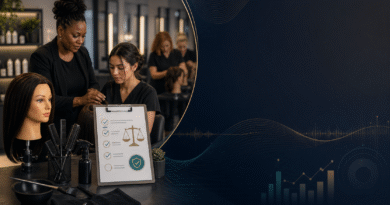
Beauty workforce policy should not assume that one license, one school model, or one enrollment answer fits every student. Students deserve clear pathway information before they commit time, money, and effort.
A public-interest standard should be simple: if a student is advised to choose cosmetology, the student should be able to ask why cosmetology fits that student’s actual goal better than nail technology, esthetics, or another lawful pathway.
Public data should improve advising
BLS separates manicurists/pedicurists, skincare specialists, and barbers/hairstylists/cosmetologists into different occupational categories. That matters because students are not abstractions. A student who wants nails, skincare, broad hair and beauty work, booth rental, self-employment, or salon ownership may need different guidance.
Utah’s 2025 public regulatory review also raises an important license-use question. Its reported survey results should not be overstated as a national statistic by themselves, but they are serious enough to support a fair policy question: what should students know before choosing the broadest path?
Clinic must remain educational
Student clinic can be valid training when supervised, documented, tied to curriculum, and centered on the student’s learning. It becomes ethically concerning when students do not understand the purpose, requirement, supervision, or educational benefit.
Public guidance should encourage students to ask whether they are truly the primary educational beneficiary of the training experience.
NABA’s position
Students deserve written comparisons, transparent cost and hour information, source-backed labor and license context, and respectful answers before enrollment. Clear questions are not anti-school. They strengthen schools, protect students, and improve public trust.

References and Public Sources
- U.S. Bureau of Labor Statistics: Manicurists and Pedicurists
- U.S. Bureau of Labor Statistics: Skincare Specialists
- U.S. Bureau of Labor Statistics: Barbers, Hairstylists, and Cosmetologists
- Utah Office of Professional Licensure Review: Cosmetology Report, January 2025
- U.S. Department of Labor Fact Sheet #71: Internship Programs Under the Fair Labor Standards Act
- U.S. Department of Labor Field Assistance Bulletin No. 2018-2
- The Century Foundation: Cosmetology Training Needs a Make-Over