Before You Pay or Reply: How Small Businesses Can Verify Official Contacts When Impersonation Scams Move Online
What changed: On October 1, 2026, the Federal Trade Commission published an advance notice of proposed rulemaking about whether search engines, social-media platforms, and other digital marketplaces may be engaging in unfair or deceptive conduct when their advertising tools or services further government or business impersonation scams. What to do now: verify a sender, website, payment request, or official-looking advertisement through the organization’s canonical website before you reply, pay, or share sensitive information.
Important status note: this is a request for information and public comment—not a final rule. It does not create a new current duty for an ordinary small-business owner, and it does not establish that any particular platform or business violated the law.
What the FTC notice asks about
The notice asks for evidence and comments about platform practices connected to impersonation advertisements. Its questions cover matters such as advertiser identity verification, screening or monitoring, use of business names and trademarks, complaint handling, removal or remediation, advertiser discipline, recordkeeping, advertising optimization, and how any new approach might affect consumers and legitimate small businesses.
The FTC’s document describes a possible rulemaking path. It also asks whether education, voluntary industry efforts, or other alternatives could help. The agency is seeking information; the notice itself is not a final decision about which option will be adopted.
A practical verification routine for owners and staff
These are protective business practices, not legal advice or an FTC-mandated checklist:
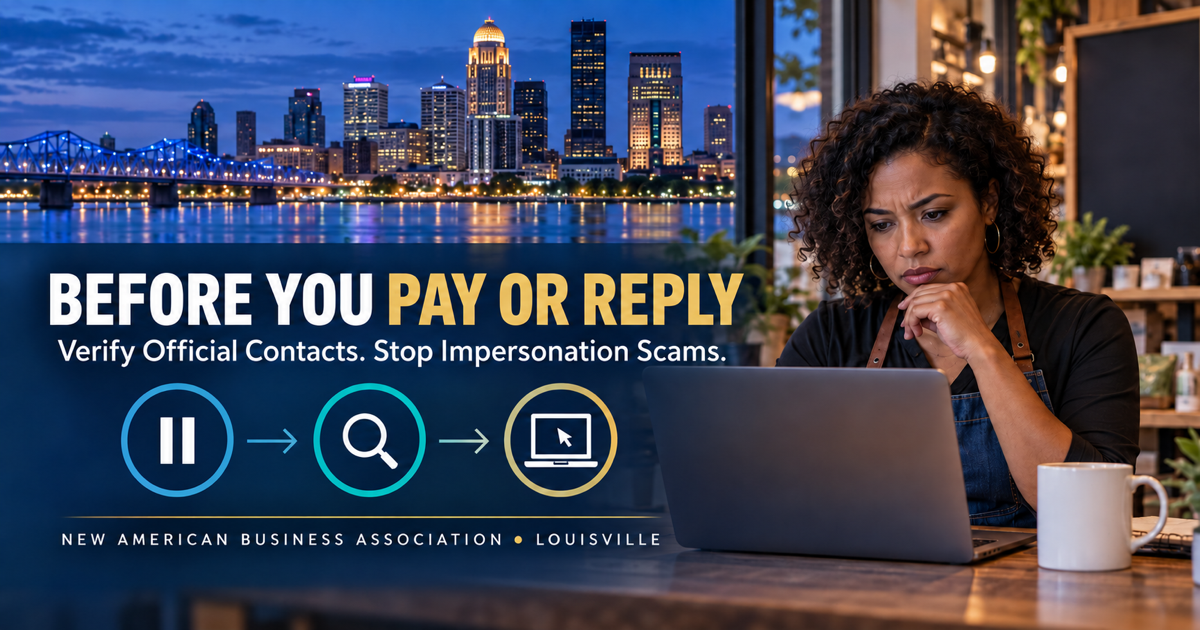
- Start from the known source. Type the organization’s established web address yourself or use a bookmark you created earlier. Do not treat a sponsored result, social-media message, or unexpected payment link as proof of identity.
- Compare the details. Check the domain, spelling, published phone number, and contact or payment instructions against the organization’s own website. A familiar logo or business name can be copied.
- Pause before money or sensitive data moves. Independently confirm an unusual invoice, account change, gift-card request, credential request, or urgent transfer through a known channel. Keep a record of the URL, platform, date, and message if you need to report it.
What this means for a small business
A legitimate business can be harmed when an imposter uses its name, identity, or web presence. The proposed proceeding is focused on platform conduct that may help spread or optimize impersonation advertisements. It does not replace ordinary brand-protection, account-security, consumer-protection, or professional-advice decisions, and it does not determine a business’s rights or remedies in a particular incident.
If a message claims to come from a government office, bank, vendor, school, funder, or customer, use the organization’s independently verified contact route. If you suspect impersonation, preserve the basic evidence and report it through the platform or agency’s official reporting channel. Do not publish private customer information or sensitive financial, health, identity, or account data in a public complaint.
Comment deadline and public-record warning
The FTC notice says comments must be received by November 30, 2026. It identifies the proceeding as 16 CFR part 461—Impersonation Rule, Matter No. R207000 and directs commenters to the official Regulations.gov route or paper instructions in the notice. The document warns that comments, including the commenter’s name and state, will be placed on the public record and should not contain sensitive personal, health, trade-secret, confidential commercial, or financial information.
NABA is sharing this as source-cited business education. It is not submitting a comment in this article, taking a position for or against a final rule, or providing legal, tax, financial, cybersecurity, or regulatory advice.
A useful next step
Owners and community partners who want more practical, dignity-centered business education can continue with the NABA Business Advocacy & Human Dignity Library. Start with the facts you can verify, keep the next step reversible, and ask a qualified professional or the responsible agency when the situation requires individualized advice.
Official source: Federal Register, “Rule on Impersonation of Government and Businesses,” 91 FR 62347–62357, published October 1, 2026. Last verified: October 1, 2026. Public education only; not individualized legal, tax, financial, cybersecurity, or regulatory advice.