
Student Dignity, Consumer Protection, and Practical Beauty Education Reform
Beauty education reform should protect students without suffocating practical, affordable, state-licensed pathways into work.
Read More
Beauty education reform should protect students without suffocating practical, affordable, state-licensed pathways into work.
Read More
NABA Research & Policy Leadership Series 2026 A Public Record of Advocacy, Workforce Leadership, and Entrepreneurial Representation At the New
Read More
DisclaimerThis publication by New American Business Association (NABA) is provided for educational, workforce policy, research, and public discussion purposes only.
Read More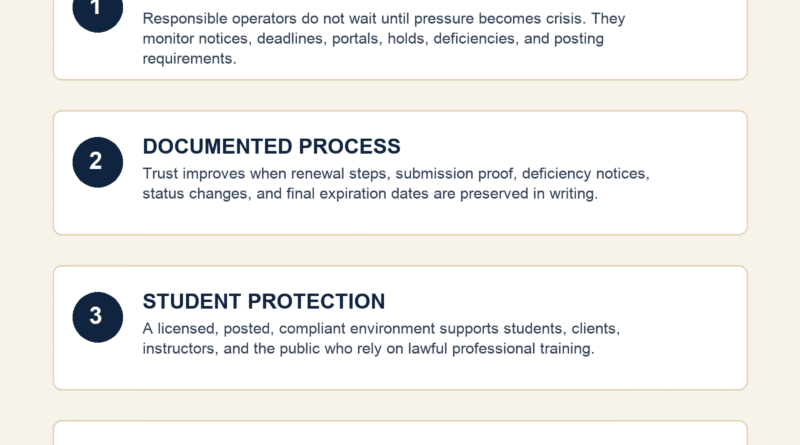
License renewal systems are part of the public-interest infrastructure behind safe, lawful, and student-protective workforce education.
Read More
Di Tran’s new book, The Lost Majority, offers a serious framework for why structure, reliability, and useful motion matter not only to individuals, but to small businesses, immigrant families, and the communities they help hold together.
Read More
Louisville should not merely admire small business from a distance. It should actively support the families and owners who create gathering spaces, jobs, trust, and economic dignity for the city.
Read More
Louisville grows stronger when disciplined families create beautiful, useful places for coffee, meetings, children, and neighborhood life. This new Paris Baguette shows exactly why.
Read More
The first Paris Baguette in Kentucky is not a side story. It is a visible example of how immigrant-owned small businesses create jobs, neighborhood life, and civic strength in Louisville.
Read More
Behind Louisville’s first Paris Baguette in Kentucky is a deeper story of professional discipline, immigrant-family courage, and the hard beauty of a family’s first small business venture.
Read More
Louisville’s first Paris Baguette in Kentucky is more than a bakery opening. It is a family-led small-business milestone, a new gathering place for the Prospect and Northfield corridor, and a reason for Louisville to support small business owners more visibly and beautifully.
Read More