
Beauty Workforce Policy Should Recognize More Than One Path
Student choice belongs in workforce policy
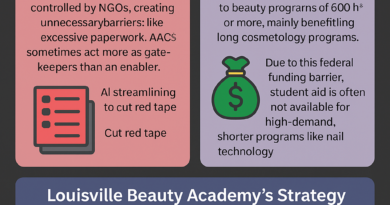
Beauty workforce policy should recognize that the industry is not a single-license economy. Cosmetology is important, but specialized pathways can help students align time, cost, training, and career goal more honestly.
A student who wants to build a nail career, a skincare practice, an eyelash-focused service model, or a specialized salon business should be able to understand the lawful pathway that matches that goal.
Transparency protects students and the public
Good policy does not weaken public safety. It strengthens public trust by making the rules clear. Students should understand which services require a license or permit, what training is required, what a program costs, and what the path can and cannot promise.
NABA’s public-interest direction supports student choice, program transparency, specialization, workforce mobility, and small-business dignity, while preserving licensing boundaries and consumer protection.
A fairer map for practical trades
The future of beauty workforce policy should not assume that every learner needs the longest route. It should ask whether the route is lawful, transparent, affordable, skill-building, and matched to the student’s real goal.
Not every student needs the same road. Every student deserves an honest map.